Cash
Runway
Spend has grown faster than revenue for three months. Runway is down from 16 to 13 months.
Suggested: review the three biggest increases.
Otto quietly watches your bank accounts, invoices, billing and spend. When something deserves your attention, it tells you. Otherwise, it stays out of the way.

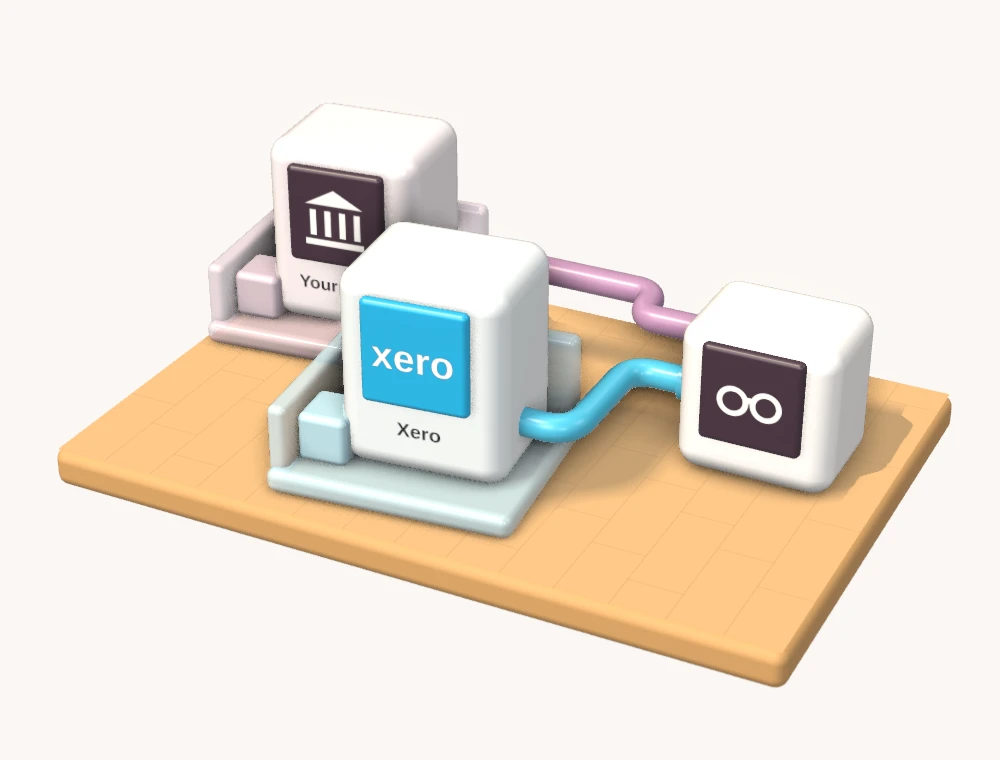
Link your bank through open banking, plus Xero or QuickBooks. Read-only, in a few minutes.

How money usually moves in your business: when customers pay, what you spend, what recurs, and what runway looks like.
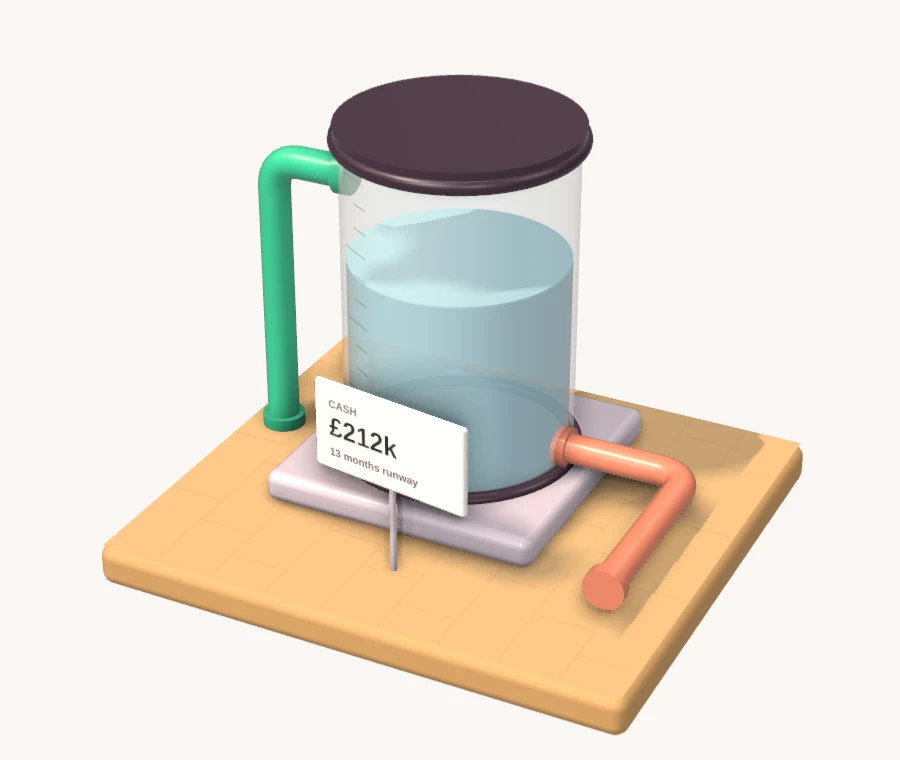
When something changes that deserves your attention, it appears in your Focus list, with what Otto thinks you should do.
No dashboards to read and no spreadsheets to update. Just a short list of what changed with your money, and whether you need to do anything about it.
Here's what I've found across your money.
3 things I think are worth your attention.
Spend has grown faster than revenue for three months. Runway is down from 16 to 13 months.
Suggested: review the three biggest increases.
£18,400 across two invoices, now 21 days overdue. They usually pay within 10.
Suggested: a friendly nudge to their finance team.
Your AWS bill jumped 38% in September, mostly from one new service.
Suggested: check it before it becomes the new normal.
A payment that's later than usual, a bill that crept up, a month that looks different. Otto notices it, looks into it and keeps following it until it's resolved.
Otto doesn't just show you numbers. It follows threads over time.
AWS costs rose 38% this month. I'm checking which services changed and whether it lines up with your migration.
Northwind still hasn't paid. They're normally reliable, so this might just be an admin slip.
Burn has outpaced revenue for a third month. I've recalculated runway: 13 months, down from 16.
The VAT payment cleared as expected. I've stopped watching it.
Every conversation starts with the numbers already loaded. There's no need to export a CSV or explain which account you mean.
 OttoOtto
Revenue is still growing, just not as fast as spend.
Three things explain most of the gap: two new hires in August, AWS up 38%, and a quieter month for new sales.
The context that usually lives in your head, or your finance person's, stays with Otto. It uses it every time it looks at your numbers, and tells you when it no longer applies.
OttoOttoSay it in plain English. There are no rules to build, thresholds to set or alerts to configure.
Otto follows what it flags through to what happened next, so you can see what it was actually worth.
This quarter
Collected and saved amounts come straight from your bank and accounting data. Avoided costs are shown separately, because nobody can be certain what would have happened otherwise.
Almost every transaction is normal. Otto can notice something, look into it and decide it isn't worth bothering you about. Silence is part of the product.
Otto connects to your bank through open banking and reads your books from Xero or QuickBooks. It matches transactions to invoices and bills, so you don't have to.
What the books say
We're opening Otto to a small group of founder-led companies first.
Open banking + Xero or QuickBooks initially. We'll personally onboard the first cohort.